Understanding the top 10 neurological disorders with symptoms is crucial for early detection and effective treatment of brain and nervous system disorders. According to the World Health Organization, neurological conditions affect over 1 billion people worldwide, making awareness of common neurological diseases list essential for maintaining optimal brain health.
The best neurology hospital in Hyderabad – Revive Multi Speciality Hospital – emphasizes that recognizing neurological disorder symptoms explained early can significantly improve treatment outcomes and quality of life. Their expert team, led by experienced specialists, provides comprehensive neurology diagnosis and treatment for all types of neurological conditions.
Understanding Neurological Disorders
What Are Neurological Disorders?
Brain and nervous system disorders encompass a wide range of conditions affecting the central nervous system (brain and spinal cord) and peripheral nervous system (nerves throughout the body). These conditions can impact:
Core Functions Affected:
- Motor control and movement
- Sensory processing and perception
- Cognitive abilities and memory
- Emotional regulation and behavior
- Autonomic functions (breathing, heart rate)
Classification Categories:
- Degenerative Disorders: Progressive conditions like Alzheimer’s and Parkinson’s
- Vascular Disorders: Stroke and cerebrovascular diseases
- Infectious Disorders: Meningitis and encephalitis
- Developmental Disorders: Cerebral palsy and spina bifida
- Traumatic Disorders: Head injuries and spinal cord trauma
Top 10 Most Common Neurological Disorders
1. Alzheimer’s Disease and Dementia
- Prevalence: Affects over 50 million people worldwide
- Primary Symptoms: Memory loss, confusion, language difficulties
- Progression: Gradual cognitive decline over years
- Impact: Most common cause of dementia in elderly
2. Stroke (Cerebrovascular Accident)
- Types: Ischemic (87%) and hemorrhagic (13%) strokes
- Warning Signs: Sudden weakness, speech problems, vision loss
- Time-Critical: “Time is brain” – immediate treatment crucial
- Recovery: Varies greatly depending on severity and location
3. Parkinson’s Disease
- Characteristic Features: Tremor, rigidity, bradykinesia, postural instability
- Age of Onset: Typically after 60, but can occur earlier
- Progression: Slowly progressive movement disorder
- Management: Medications and deep brain stimulation available
4. Epilepsy and Seizure Disorders
- Global Impact: Affects 65 million people worldwide
- Seizure Types: Focal and generalized seizures
- Triggers: Stress, sleep deprivation, flashing lights
- Treatment: Anti-epileptic medications highly effective
5. Multiple Sclerosis (MS)
- Autoimmune Condition: Immune system attacks myelin sheaths
- Symptoms: Fatigue, numbness, vision problems, weakness
- Types: Relapsing-remitting, progressive forms
- Demographics: More common in women, typically diagnosed 20-40 years
6. Migraine Headaches
- Prevalence: Affects 1 billion people globally
- Characteristics: Severe, throbbing pain, often one-sided
- Associated Symptoms: Nausea, light/sound sensitivity
- Triggers: Hormones, stress, certain foods, sleep changes
7. Peripheral Neuropathy
- Common Causes: Diabetes, vitamin deficiencies, medications
- Symptoms: Numbness, tingling, burning pain in extremities
- Progression: Can be reversible if underlying cause treated
- Impact: Affects balance and fine motor control
8. Huntington’s Disease
- Genetic Condition: Inherited autosomal dominant disorder
- Symptoms: Involuntary movements, cognitive decline, psychiatric symptoms
- Onset: Typically 30-50 years of age
- Progression: Gradually progressive over 15-20 years
9. Amyotrophic Lateral Sclerosis (ALS)
- Motor Neuron Disease: Progressive degeneration of nerve cells
- Symptoms: Muscle weakness, twitching, difficulty speaking/swallowing
- Prognosis: Rapidly progressive, typically 2-5 years
- Awareness: Also known as Lou Gehrig’s disease
10. Cerebral Palsy
- Developmental Condition: Caused by brain injury before/during birth
- Motor Symptoms: Muscle stiffness, weakness, coordination problems
- Associated Issues: Intellectual disabilities, seizures, vision problems
- Management: Multidisciplinary approach with therapy and medications
Neurological Disorder Symptoms Guide
Early Warning Signs to Watch For
Neurological disorder symptoms explained can be subtle initially but become more pronounced over time:
Cognitive Symptoms:
- Memory problems and confusion
- Difficulty concentrating or focusing
- Language and speech difficulties
- Disorientation to time or place
- Poor judgment and decision-making
Motor Symptoms:
- Muscle weakness or paralysis
- Tremors or involuntary movements
- Coordination and balance problems
- Difficulty walking or falling
- Fine motor control issues
Sensory Symptoms:
- Numbness or tingling sensations
- Vision problems or double vision
- Hearing difficulties
- Loss of smell or taste
- Persistent headaches
Behavioral and Emotional Symptoms:
- Personality changes
- Depression or anxiety
- Mood swings or irritability
- Social withdrawal
- Sleep disturbances
When Should You See a Neurologist?
Red Flag Symptoms Requiring Immediate Evaluation
When should you see a neurologist for symptoms? Certain warning signs require prompt neurological assessment:
Emergency Symptoms:
- Sudden severe headache (“worst headache of life”)
- Sudden weakness or numbness on one side
- Sudden speech difficulties or confusion
- Sudden vision loss or double vision
- Seizures (especially first-time occurrence)
Progressive Symptoms:
- Gradually worsening memory problems
- Increasing difficulty with balance or walking
- Progressive muscle weakness
- Persistent tremors or involuntary movements
- Chronic headaches with changing patterns
Consultation Indicators:
- Family history of neurological diseases
- Unexplained cognitive changes
- Persistent neurological symptoms
- Failed response to primary care treatment
- Need for specialized diagnostic testing
Can Neurological Disorders Be Cured?
Treatment Outcomes and Prognosis
Can neurological disorders be cured? The answer varies significantly depending on the specific condition, severity, and timing of intervention:
Potentially Curable Conditions:
- Infectious Neurological Disorders: Bacterial meningitis with antibiotics
- Vitamin Deficiency Neuropathy: B12 deficiency with supplementation
- Some Brain Tumors: Surgical removal of benign tumors
- Certain Seizure Disorders: Some childhood epilepsies resolve
Treatable but Not Curable:
- Parkinson’s Disease: Medications significantly improve symptoms
- Multiple Sclerosis: Disease-modifying therapies slow progression
- Epilepsy: Anti-seizure medications control most cases
- Migraine: Preventive and acute treatments available
Management-Focused Conditions:
- Alzheimer’s Disease: Medications may slow progression
- ALS: Supportive care improves quality of life
- Huntington’s Disease: Symptom management and support
- Advanced Stroke: Rehabilitation maximizes recovery
Hope Through Advanced Treatments
Emerging Therapies:
- Gene therapy for inherited conditions
- Stem cell research and regenerative medicine
- Deep brain stimulation for movement disorders
- Immunotherapy for autoimmune neurological conditions
Expert Neurology Care in Hyderabad
Why Choose Specialized Neurological Care
When you consult best neurology hospital in Attapur, Hyderabad, choosing the right facility significantly impacts your diagnosis accuracy and treatment outcomes.
Revive Multi Speciality Hospital – Leading Neurology Center:
Expert Medical Team:
- Dr. Srinivas Deshmukh: Leading neurologist with extensive experience
- Board-certified specialists in all neurological subspecialties
- Multidisciplinary team including neuropsychologists and therapists
- Continuous training in latest neurological treatments
Advanced Diagnostic Capabilities:
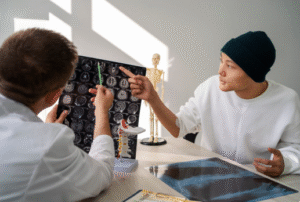
- High-resolution MRI and CT imaging
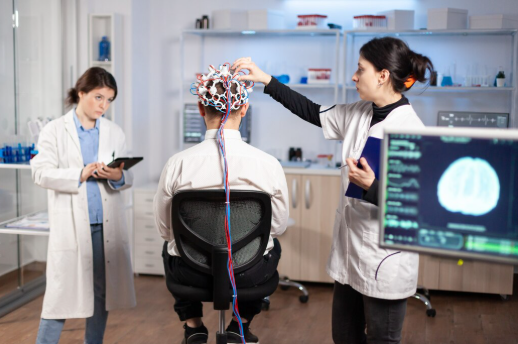
- EEG and nerve conduction studies
- Cerebrospinal fluid analysis
- Neuropsychological testing
- Sleep study facilities
Comprehensive Treatment Options:
- Latest medications and drug protocols
- Minimally invasive surgical procedures
- Neurorehabilitation programs
- Deep brain stimulation therapy
- Botox injections for movement disorders
Patient-Centered Neurological Care
Personalized Treatment Approach:
- Individual assessment of symptoms and condition severity
- Customized treatment plans based on patient needs
- Family education and support programs
- Regular monitoring and adjustment protocols
- Coordination with other specialists when needed
Comprehensive Diagnosis and Treatment
Advanced Diagnostic Protocols
Neurology diagnosis and treatment at Revive Multi Speciality Hospital follows international standards:
Diagnostic Process:
- Detailed Medical History: Comprehensive symptom assessment
- Neurological Examination: Systematic evaluation of nervous system
- Imaging Studies: MRI, CT, PET scans as appropriate
- Electrophysiological Tests: EEG, EMG, nerve conduction studies
- Laboratory Testing: Blood work, CSF analysis, genetic testing
Specialized Testing Facilities:
- Neuroimaging Center: Latest MRI technology with specialized sequences
- Electrophysiology Lab: Comprehensive nerve and brain function testing
- Neuropsychology Services: Cognitive assessment and rehabilitation
- Sleep Disorder Center: Comprehensive sleep study capabilities
Treatment Modalities Available
Comprehensive Neurological Treatments:
- Medication Management: Latest neurological pharmaceuticals
- Interventional Procedures: Nerve blocks, botulinum toxin injections
- Surgical Options: Neurosurgical consultation and procedures
- Rehabilitation Services: Physical, occupational, and speech therapy
- Supportive Care: Pain management and palliative care

Frequently Asked Questions
Q: Are neurological disorders hereditary?
A: Some neurological conditions have genetic components (Huntington’s, some forms of epilepsy), while others are acquired through injury, infection, or other factors.
Q: Can lifestyle changes prevent neurological disorders?
A: While not all conditions are preventable, maintaining a healthy lifestyle, regular exercise, and avoiding risk factors can reduce the likelihood of some neurological problems.
Q: How are neurological disorders diagnosed?
A: Diagnosis typically involves clinical examination, imaging studies, laboratory tests, and specialized neurological testing performed by trained specialists.
Take Control of Your Neurological Health
Understanding these common neurological diseases list and their symptoms empowers you to seek appropriate care when needed. Early detection and expert treatment can significantly improve outcomes for many neurological conditions.
Schedule your comprehensive neurological evaluation with Dr. Srinivas Deshmukh, the best neurologist in Attapur, Hyderabad, and the expert team at Revive Multi Speciality Hospital, the best neurology hospital in Hyderabad. Don’t let neurological symptoms go undiagnosed – expert evaluation can provide answers and effective treatment options.
Contact us today for specialized neurological care that combines advanced diagnostic capabilities with compassionate, patient-centered treatment. When you need to consult best multispeciality hospitals near me for neurological concerns, trust the experts who understand the complexity of brain and nervous system disorders.
Request your consultation and experience the difference that expert neurological care can make in your health journey. Among hospitals in Attapur, we provide the specialized expertise and comprehensive care you deserve for optimal neurological health.