
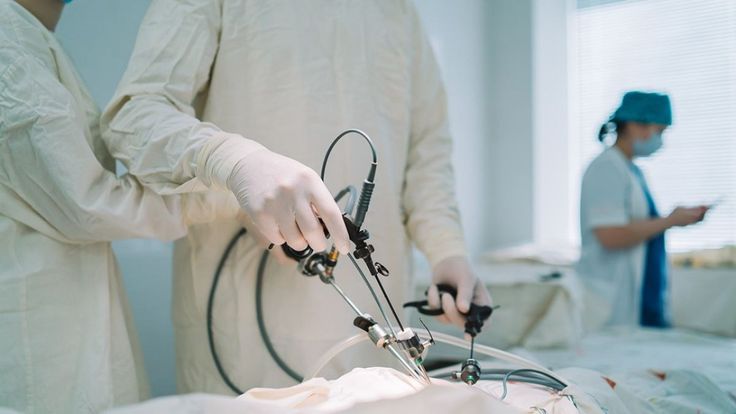
Modern surgical techniques have revolutionized patient care, with Laparoscopic Surgery leading the transformation in General and Laparoscopy Surgery. This Minimally Invasive Surgery approach offers significant advantages over traditional open procedures, making it the preferred choice for many surgical interventions.
What is Laparoscopic Surgery?
Laparoscopic Surgery is a minimally invasive surgical technique that uses small incisions (typically 0.5–1.5 cm) instead of large open cuts. Surgeons insert a laparoscope—a thin, lighted camera—through these tiny incisions to view internal organs on a monitor while performing the procedure using specialized instruments.
This advanced approach represents a paradigm shift in General Surgery Procedures, offering patients faster recovery times and reduced surgical trauma compared to conventional open surgery methods. If you’re seeking expert care, a trusted general and laparoscopic hospital in Hyderabad can provide advanced treatment options with experienced surgeons and state-of-the-art facilities.
What is the Difference Between General and Laparoscopic Surgery?
General Surgery encompasses both traditional open procedures and modern laparoscopic techniques. The fundamental differences include:
Open Surgery Characteristics:
- Large incisions (6-12 inches typically)
- Direct visualization of surgical area
- Longer hospital stays (3-7 days average)
- Extended recovery periods (4-8 weeks)
- Higher infection risk due to larger wounds
Laparoscopic Surgery Characteristics:
- Multiple small incisions (0.5-1.5 cm each)
- Camera-guided visualization
- Shorter hospital stays (24-48 hours often)
- Faster recovery (1-3 weeks typically)
- Reduced scarring and infection risk

What are the Benefits of Minimally Invasive Surgery?
Minimally Invasive Surgery offers compelling advantages supported by extensive medical research:
Primary Benefits:
- Reduced Pain: Studies show 60-70% less postoperative pain compared to open surgery
- Faster Recovery: Patients typically return to normal activities 2-3 weeks sooner
- Minimal Scarring: Small incisions result in barely visible scars
- Lower Infection Risk: Reduced exposure decreases infection rates by approximately 50%
- Shorter Hospital Stays: Most patients go home within 1-2 days
- Quicker Return to Work: Average time off reduced by 40-60%
Long-term Advantages:
- Less adhesion formation
- Reduced hernia risk at incision sites
- Better cosmetic outcomes
- Lower overall healthcare costs
Common Laparoscopic Procedures
An experienced Laparoscopic Surgeon can perform various procedures using minimally invasive techniques:
Frequently Performed Procedures:
Gallbladder Surgery (Cholecystectomy):
- Gold standard treatment for gallstones
- 95% of gallbladder removals now performed laparoscopically
- Same-day or overnight discharge typical
Appendectomy:
- Preferred method for uncomplicated appendicitis
- Reduced wound infections
- Faster return to normal activities
Hernia Repair:
- Particularly effective for inguinal and ventral hernias
- Lower recurrence rates than open repair
- Reduced chronic pain incidence
Which Surgery is Best for Hernia – Open or Laparoscopic?
The choice between open and laparoscopic hernia repair depends on several factors:
Laparoscopic Hernia Repair Advantages:
- Lower recurrence rates (less than 2% vs 5-15% for open repair)
- Reduced chronic pain syndrome
- Faster return to physical activities
- Better outcomes for recurrent hernias
Open Surgery Considerations:
- May be preferred for very large hernias
- Less expensive equipment requirements
- Suitable when laparoscopic expertise unavailable
According to recent surgical outcome studies, laparoscopic hernia repair shows superior long-term results in 85% of cases, making it the preferred choice for most patients.
Is Laparoscopic Surgery Safe?
Laparoscopic Surgery safety profiles consistently demonstrate excellent outcomes:
Safety Statistics:
- Complication rates: 2-4% (compared to 6-10% for open surgery)
- Mortality rates: Less than 0.1% for routine procedures
- Patient satisfaction scores: 90-95% positive ratings
Risk Factors:
- Bleeding (rare, less than 1%)
- Organ injury (extremely rare, 0.1-0.2%)
- Conversion to open surgery (5-10% of cases when necessary)
The safety profile continues improving as surgical techniques advance and Laparoscopic Surgeon expertise increases globally.
How Long is Recovery After Laparoscopic Surgery?
Recovery timelines vary by procedure but are consistently shorter than open surgery:
Typical Recovery Timeline:
Week 1:
- Minimal activity, focus on rest
- Pain management with mild medications
- Light walking encouraged
Week 2-3:
- Gradual activity increase
- Return to desk work possible
- Lifting restrictions (typically under 10 pounds)
Week 4-6:
- Near-normal activity levels
- Exercise clearance often given
- Full recovery for most procedures
Factors Affecting Recovery:
- Patient age and overall health
- Procedure complexity
- Post-operative care adherence
- Individual healing rates

What is the Best Gastroenterology Clinic Near Me?
For comprehensive surgical care, Revive Multi Speciality Hospital offers advanced laparoscopic surgical services with experienced surgeons and state-of-the-art equipment. Their multidisciplinary approach ensures optimal patient outcomes through integrated care protocols. Patients can book laparoscopic surgery consultation to receive personalized treatment plans and expert guidance from leading specialists.
Finding Expert Laparoscopic Care in Hyderabad
When seeking General and Laparoscopic surgery in Hyderabad, consider these essential factors:
Selection Criteria:
- Board-certified surgeons with laparoscopic specialization
- Hospital accreditation and safety records
- Advanced laparoscopic equipment availability
- Comprehensive post-operative care programs
Hospitals in Attapur and surrounding areas offer various laparoscopic services, but choosing facilities with proven expertise ensures optimal surgical outcomes and patient safety.