
Recognizing Life-Threatening Heart Symptoms
Heart disease remains the leading cause of death globally, claiming approximately 17.9 million lives annually according to the World Health Organization. Understanding heart symptoms not to ignore can mean the difference between timely intervention and life-threatening complications. Many people dismiss early warning signs of heart disease as minor discomfort, delaying crucial heart problem treatment that could save their lives.
Recognizing cardiac warning signs early enables prompt medical intervention, significantly improving outcomes for conditions like heart attack, cardiac arrest, and coronary artery disease through specialized care at the best cardiology hospital in Hyderabad.
Critical Warning Signs of Heart Disease
Chest Pain: The Classic Cardiac Symptom
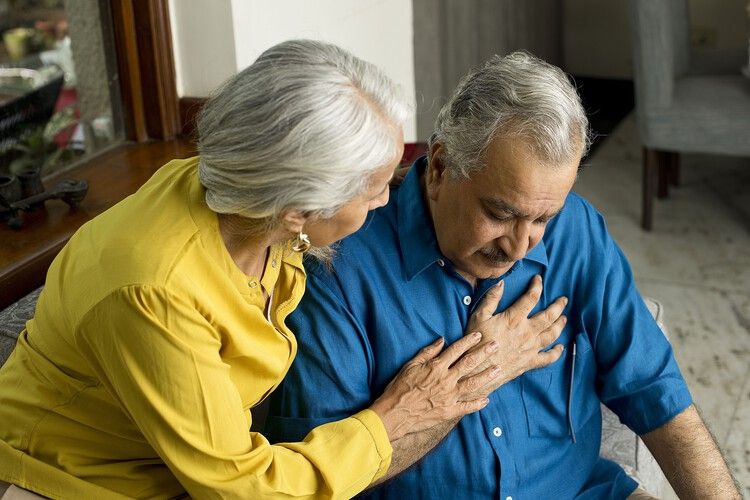
Chest pain presents as pressure, tightness, squeezing, or burning sensations in the chest area. While not all chest discomfort indicates a heart attack, sudden, severe pain radiating to the arms, jaw, neck, or back requires immediate emergency attention. Approximately 25% of heart attacks occur without typical chest pain, particularly in women, making awareness of additional symptoms crucial.
Shortness of Breath Without Exertion
Experiencing breathlessness during rest or minimal activity signals potential heart failure or coronary artery disease. When your heart cannot pump blood efficiently, fluid accumulates in the lungs, causing difficulty breathing. This serious heart symptom warrants urgent cardiology consultation near me, especially when accompanied by fatigue or swelling.

Palpitations and Irregular Heartbeat
Feeling your heart racing, fluttering, or skipping beats occasionally is normal. However, persistent irregular heartbeat lasting several minutes, especially with dizziness, chest discomfort, or fainting, may indicate atrial fibrillation or other arrhythmias requiring evaluation by the best cardiologist for heart symptoms.
Additional Serious Heart Symptoms
Dizziness and Fainting Episodes
Sudden lightheadedness or loss of consciousness may result from irregular heart rhythms, blocked arteries, or heart valve problems. While various conditions cause dizziness, cardiac-related episodes often occur with physical exertion or position changes. Never dismiss fainting spells—they require immediate medical evaluation.
Swelling in Legs, Ankles, and Feet
Persistent swelling indicates your heart struggles to pump blood effectively, causing fluid retention in lower extremities. This edema often worsens throughout the day and may signal heart failure, particularly when accompanied by rapid weight gain, fatigue, or breathing difficulties at night.
Unexplained Fatigue and Weakness
Extreme tiredness unrelated to exertion, especially in women, commonly precedes heart attacks by weeks or months. When routine activities become exhausting, your heart may not be supplying adequate oxygen-rich blood to your body’s tissues.
High Blood Pressure: The Silent Threat
Often symptomless, high blood pressure damages arteries gradually, increasing heart attack and stroke risks substantially. Regular monitoring becomes essential, particularly for individuals with family history or risk factors. Readings consistently above 140/90 mmHg require professional management.

Expert Cardiac Care at Revive Hospitals
Revive Hospitals, recognized as the best hospital in Attapur Hyderabad, provides comprehensive cardiovascular services combining advanced diagnostic technology with compassionate expertise. Dr. Praneeth Polamuri, the best cardiologist in Hyderabad, leads the cardiology department with extensive experience in diagnosing and treating complex cardiac conditions.
The facility offers 24/7 emergency cardiac services, state-of-the-art catheterization labs, non-invasive testing, and personalized treatment plans. As a Top-Rated Hospital in Hyderabad, Revive Hospitals prioritizes rapid response to cardiac emergencies while delivering evidence-based care that saves lives.
Early Detection Prevents Complications: Early signs include tiredness, ankle swelling, foamy urine, dry skin, loss of appetite, and frequent urination at night. These symptoms may appear mild but signal kidney stress. Early detection at Revive Hospitals, Attapur Hyderabad helps prevent chronic kidney disease.
When Should I See a Cardiologist?
Schedule a cardiology consultation if you experience:
- Chest discomfort lasting more than a few minutes
- Severe shortness of breath with minimal exertion
- Persistent irregular heartbeat or palpitations
- Family history of early heart disease (before age 55 in men, 65 in women)
- Multiple risk factors including diabetes, obesity, smoking, or high cholesterol
Immediate emergency care is necessary for sudden severe chest pain, difficulty breathing, loss of consciousness, or symptoms suggesting heart attack or cardiac arrest.
Conclusion
Understanding cardiac warning signs explained simply empowers individuals to seek timely intervention that preserves heart health and saves lives. Heart symptoms should never be ignored—what seems like minor discomfort may signal serious underlying conditions requiring immediate attention. Revive Hospitals stands ready to provide expert heart problem treatment through experienced specialists like Dr. Praneeth Polamuri, best cardiologist in Hyderabad, who combine clinical excellence with patient-centered care.
Your heart’s health deserves priority attention. Don’t wait until symptoms worsen—proactive consultation with a heart specialist in Hyderabad can detect problems early when treatment proves most effective. Trust your instincts, recognize warning signs, and take action to protect your cardiovascular wellness.
FAQ Section
Q: What is the difference between a heart attack and cardiac arrest?
A: A heart attack occurs when blood flow to the heart muscle becomes blocked, causing tissue damage. Cardiac arrest happens when the heart suddenly stops beating effectively due to electrical malfunction. Heart attacks can trigger cardiac arrest, but they are distinct emergencies requiring different immediate responses.
Q: Can heart symptoms present differently in women?
A: Yes, women often experience atypical symptoms including nausea, jaw pain, back discomfort, extreme fatigue, and shortness of breath without significant chest pain. These differences contribute to delayed diagnosis, making awareness of gender-specific presentations crucial.

Q: Are palpitations always dangerous?
A: Occasional palpitations from stress, caffeine, or anxiety are usually harmless. However, frequent episodes lasting several minutes, accompanied by dizziness, chest pain, or fainting, may indicate arrhythmias requiring medical evaluation and treatment.
Q: How quickly should I respond to chest pain?
A: Call emergency services immediately for sudden, severe chest pain, especially if accompanied by sweating, nausea, shortness of breath, or radiating discomfort. Every minute counts during cardiac emergencies—early intervention significantly improves survival rates and outcomes.
Q: What lifestyle changes reduce heart disease risk?
A: Adopt a heart-healthy diet rich in fruits, vegetables, and whole grains; exercise regularly (150 minutes weekly); maintain healthy weight; quit smoking; limit alcohol; manage stress; control blood pressure, cholesterol, and blood sugar levels through regular monitoring and medical guidance.
Call to Action: Don’t ignore warning signs—consult the best cardiologist in Hyderabad at Revive Hospitals today. Schedule your comprehensive cardiac evaluation and take control of your heart health with expert care you can trust.