Understanding Heart Attacks and Why Timing Matters
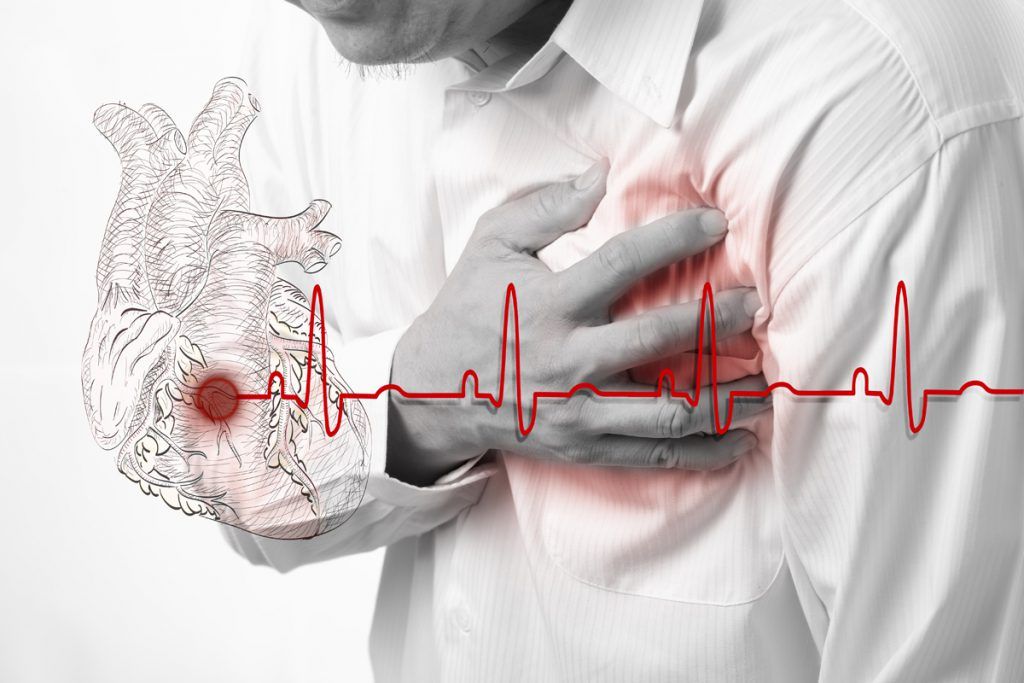
Heart attacks remain one of the most common heart diseases worldwide, claiming lives when early warning signs go unrecognized. A heart attack, medically termed myocardial infarction, occurs when blood flow to part of the heart muscle becomes blocked, causing tissue damage. The critical factor in survival and recovery is recognizing early heart attack signs and seeking immediate medical attention.
Revive Hospitals is Hyderabad’s leading general physician and internal medicine hospital located in Attapur, providing 24/7 emergency cardiac care with state-of-the-art facilities. Every minute counts during a cardiac emergency, making it essential to understand the warning signals your body sends.
Early Warning Signs You Must Never Ignore
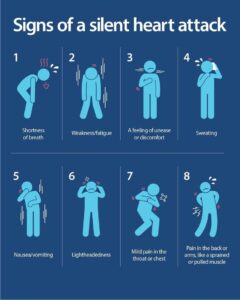
Recognizing the symptoms of an impending heart attack can save your life. Contact the best cardiologist near me immediately if you experience:
1. Chest Discomfort or Pressure
The hallmark symptom involves uncomfortable pressure, squeezing, fullness, or pain in the center of your chest lasting more than a few minutes. Many describe it as feeling like an elephant sitting on their chest rather than sharp, stabbing pain.
2. Radiating Pain to Upper Body
Discomfort may spread to your shoulders, arms (particularly the left arm), back, neck, jaw, or stomach. This radiating pattern distinguishes cardiac pain from other conditions.
3. Shortness of Breath
Difficulty breathing may occur with or without chest discomfort. If you feel winded during normal activities or at rest, seek evaluation at a chest pain hospital in Attapur immediately.
4. Cold Sweats and Nausea
Breaking out in unexplained cold sweat, feeling nauseated, or experiencing sudden dizziness are serious warning signs that require urgent attention.
5. Unusual Fatigue
Extreme tiredness, especially in women, may appear days or weeks before a heart attack. If routine activities suddenly exhaust you, consult the best hospital for cardiac care in Hyderabad.
Patients trust Revive Hospitals for round-the-clock doctor consultations, accurate diagnosis, and comprehensive health care for all cardiac emergencies and preventive care needs.
Difference Between Heartburn and Heart Attack
Many people confuse heartburn with heart attack symptoms, potentially delaying life-saving treatment. Here’s how to distinguish between them:
Heartburn:
- Burning sensation behind the breastbone
- Usually occurs after eating
- Relieved by antacids
- Worsens when lying down
- No shortness of breath
Heart Attack:
- Pressure or squeezing sensation
- Not necessarily related to meals
- Not relieved by antacids
- May worsen with physical exertion
- Often accompanied by shortness of breath, sweating, or nausea
When in doubt, never assume it’s just heartburn. Visit our emergency department or the best cardiologist near me for immediate evaluation.
First Aid for Heart Attack: Immediate Steps
If you suspect someone is having a heart attack, follow these critical steps:
- Call Emergency Services Immediately – Don’t drive yourself to the hospital
- Help the Person Sit Down – Keep them calm and comfortable
- Loosen Tight Clothing – Ensure unrestricted breathing
- Administer Aspirin – If not allergic, give one regular aspirin to chew (if conscious)
- Monitor Vital Signs – Check breathing and consciousness
- Prepare for CPR – If person becomes unconscious and stops breathing
Time is muscle when it comes to heart attacks. Book cardiologist appointment online at Revive Rehab Multi Speciality Hospital for regular heart health check-ups and risk assessments.
Diagnostic Tests: ECG and ECHO Test Explained
Understanding cardiac diagnostic procedures helps patients make informed decisions:
Difference Between ECG and ECHO
ECG (Electrocardiogram):
- Records electrical activity of the heart
- Detects heart rhythm abnormalities
- Identifies heart attack or previous damage
- Non-invasive, takes 5-10 minutes
- Uses electrodes placed on chest
ECHO (Echocardiogram):
- Uses ultrasound to create heart images
- Shows heart structure and function
- Evaluates valve problems and blood flow
- Assesses pumping strength
- Takes 30-60 minutes
Both tests are painless and essential for comprehensive cardiac evaluation at the best multi speciality hospital near me in Attapur.
How to Prevent a Heart Attack Naturally
Prevention is always better than cure. Offering best general medicine specialists, preventive health programs, and affordable medical services near you, Revive Hospitals recommends:
- Maintain Healthy Diet: Focus on fruits, vegetables, whole grains, and lean proteins
- Exercise Regularly: At least 150 minutes of moderate activity weekly
- Control Blood Pressure: Keep readings below 120/80 mmHg
- Manage Cholesterol: Regular monitoring and lifestyle modifications
- Quit Smoking: Single most important step for heart health
- Limit Alcohol: Moderate consumption only
- Reduce Stress: Practice meditation, yoga, or deep breathing
- Regular Check-ups: Visit cardiologist annually, especially if high-risk
Frequently Asked Questions
Q: When to visit a cardiologist for chest pain?
A: Visit immediately if chest pain lasts more than 5 minutes, comes with shortness of breath, radiates to arms or jaw, or is accompanied by cold sweats and nausea. Don’t wait to see if it passes.
Q: What is the most common heart disease?
A: Coronary artery disease (CAD) is the most common heart disease, occurring when arteries supplying blood to the heart become narrowed or blocked by plaque buildup.
Q: Can heart attacks be prevented completely?
A: While not all heart attacks can be prevented, up to 80% are preventable through healthy lifestyle choices, regular check-ups, managing risk factors, and following medical advice.
Q: Are heart attack symptoms different in women?
A: Yes, women more commonly experience atypical symptoms like extreme fatigue, nausea, jaw pain, or shortness of breath without significant chest pain.
Q: How quickly should treatment begin after a heart attack?
A: Ideally within 90 minutes of symptom onset. Early treatment significantly improves survival rates and reduces heart damage.
Protect Your Heart Health Today
Don’t ignore warning signs your body sends. Early recognition and prompt medical intervention can save your life. As one of the top 10 hospitals in Hyderabad, Revive Rehab Multi Speciality Hospital offers comprehensive cardiac care with experienced cardiologists and advanced diagnostic facilities.
Request a consultation today for preventive heart health screening or if you’re experiencing any concerning symptoms. Your heart deserves expert care—trust Revive Hospitals for all your cardiac needs.