

When facing a surgical procedure, patients naturally wonder about the safest and most effective approach. The choice between general surgery and laparoscopy significantly impacts recovery time, complications, and overall outcomes. Understanding these differences empowers you to make informed decisions about your healthcare journey.
Understanding the Core Difference Between Laparoscopic and General Surgery
General surgery involves making larger incisions to directly access the surgical site, providing surgeons with direct visualization and hands-on manipulation of organs and tissues. This traditional approach has been refined over decades and remains essential for complex procedures requiring extensive access.
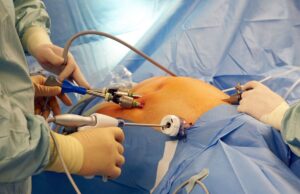
Laparoscopic surgery, conversely, uses small incisions (typically 0.5-1.5 cm) through which specialized instruments and a camera are inserted. Surgeons view the surgical site on high-definition monitors, performing procedures with precision instruments. According to expert surgeons at Revive Rehab Hospitals Hyderabad, this minimally invasive technique has revolutionized modern surgical practice across multiple specialties.
Comparing Safety Profiles: What Research Reveals
Most patients prefer laparoscopy because it involves smaller cuts, quicker recovery, and less pain compared to traditional open procedures. Research published in surgical journals indicates that laparoscopic procedures typically result in 40-60% faster recovery times and significantly reduced postoperative complications.
Infection rates differ substantially between approaches. Laparoscopic surgery carries a lower infection risk due to minimal tissue exposure and smaller incisions. Studies show infection rates of approximately 1-2% for laparoscopic procedures versus 5-8% for equivalent open surgeries.
Blood loss during laparoscopic procedures averages significantly less—often under 50ml compared to 200-400ml in traditional surgery. This reduced blood loss translates to fewer transfusion requirements and decreased anemia risk postoperatively.
Advantages and Disadvantages of Laparoscopic Surgery
Benefits include:
- Minimal scarring with cosmetically superior results
- Reduced postoperative pain requiring fewer narcotics
- Shorter hospital stays (often 1-2 days versus 4-7 days)
- Faster return to normal activities and work
- Lower risk of wound-related complications
- Decreased overall healthcare costs despite higher initial equipment expenses
Limitations to consider:
- Not suitable for all conditions or extremely complex cases
- Requires specialized training and surgical expertise
- Limited tactile feedback compared to open surgery
- Longer operative time for certain procedures
- Potential for conversion to open surgery if complications arise
Choosing the Right Surgical Approach for Your Needs
Here’s what makes laparoscopic surgery safer and more effective for most common procedures: the combination of technological advancement, surgical precision, and patient-centered benefits creates optimal outcomes. However, the ideal approach depends on individual factors including diagnosis, previous surgeries, patient health status, and procedure complexity.
Revive Rehab Hospitals, recognized as the best hospital in Attapur Hyderabad and a top-rated hospital in Hyderabad, houses experienced surgical teams proficient in both approaches. Their best general surgeon in Attapur and best laparoscopic surgeon in Hyderabad collaborate to determine the most appropriate technique for each patient’s unique situation.
Located conveniently as a general surgery hospital near Mehdipatnam, Revive Rehab Hospitals provides comprehensive surgical services with state-of-the-art laparoscopic equipment and experienced surgical teams. The facility ranks among the top 10 private hospitals in Hyderabad for surgical excellence and patient outcomes.
When Is Traditional General Surgery Still Preferred?
Despite laparoscopy’s advantages, certain scenarios necessitate open surgery. Emergency procedures requiring immediate extensive access, severe adhesions from previous surgeries, large tumors, or significant internal bleeding often require traditional approaches. Your surgeon evaluates multiple factors before recommending the optimal technique.
Patient anatomy also influences decisions. Obesity, previous abdominal surgeries, or specific anatomical variations may make laparoscopic approaches more challenging or riskier than open surgery.

Making Your Decision: Questions to Ask Your Surgeon
Before scheduling any procedure, discuss these essential points with your surgical team:
- Which approach is recommended for your specific condition and why?
- What is the surgeon’s experience level with both techniques?
- What are realistic recovery timelines for each option?
- What specific risks apply to your individual health profile?
- Under what circumstances might laparoscopic surgery convert to open surgery?
Conclusion: Personalized Surgical Excellence
The question isn’t simply general surgery versus laparoscopy—it’s determining which approach optimizes safety and effectiveness for your individual needs. While laparoscopic surgery offers compelling advantages for suitable candidates, the expertise of your surgical team matters more than the technique alone. Facilities like Revive Rehab Hospitals combine advanced technology, experienced surgeons, and comprehensive patient care to deliver optimal surgical outcomes regardless of approach.
Ready to discuss your surgical options? Book laparoscopy appointment Hyderabad at Revive Rehab Hospitals for a personalized consultation with expert surgeons who prioritize your safety and recovery.