Introduction
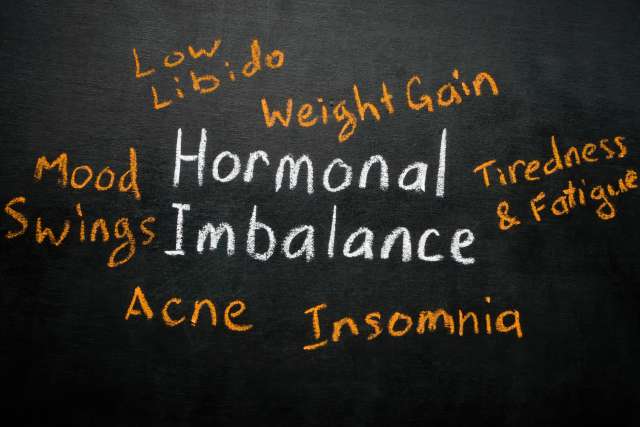
Hormonal imbalance affects weight, skin, mood, and fertility by disrupting the body’s natural hormone levels such as estrogen, progesterone, insulin, thyroid hormones, and cortisol. These hormonal shifts slow metabolism, trigger acne, cause mood swings, irregular periods, and interfere with ovulation, which may lead to fertility problems. Early diagnosis and lifestyle-focused treatment help restore balance and prevent long-term complications.
If you’re experiencing unexplained weight gain, persistent skin issues, emotional instability, or difficulty conceiving, understanding how hormonal imbalance affects body functions is the first step toward reclaiming your health. At Revive Multi Speciality Hospital, our expert team specializes in hormonal imbalance treatment in Hyderabad, offering personalized care to restore your hormonal harmony.
Understanding Hormonal Imbalance
Hormones act as chemical messengers that regulate virtually every bodily function, from metabolism and growth to reproduction and emotional well-being. When these delicate chemical signals become disrupted, it creates a cascade of symptoms affecting multiple body systems.
What Is Hormonal Imbalance?
Hormonal imbalance occurs when there’s too much or too little of a specific hormone in your bloodstream. Even minor fluctuations can significantly impact your overall health because hormones work in precise coordination. The endocrine system disruption and symptoms can manifest differently in each person, making diagnosis and treatment highly individualized.
Key Hormones That Affect Your Health
Estrogen and Progesterone: These reproductive hormones regulate menstrual cycles, fertility, bone density, and mood stability. Estrogen and progesterone imbalance effects include irregular periods, fertility challenges, and emotional volatility.
Thyroid Hormones: The thyroid hormones influence on metabolism determines how efficiently your body burns calories, regulates body temperature, and maintains energy levels. Both hypothyroidism (underactive) and hyperthyroidism (overactive) create distinct health challenges.
Insulin: This metabolic hormone controls blood sugar levels and fat storage. Insulin resistance is a primary cause of weight gain due to hormones and can lead to Type 2 diabetes.
Cortisol: Known as the stress hormone, cortisol affects immune function, metabolism, and emotional regulation. Chronic stress elevates cortisol, contributing to weight gain, particularly around the abdomen.
How Hormonal Imbalance Affects Your Body
Weight Gain and Metabolic Changes
One of the most frustrating symptoms is unexplained weight gain despite maintaining healthy eating and exercise habits. The causes of weight gain due to hormones are multifaceted:
Thyroid Dysfunction: When thyroid hormone production slows, your metabolic rate decreases, making it easier to gain weight and harder to lose it. You may also experience fatigue, cold sensitivity, and constipation.
Insulin Resistance: When cells become resistant to insulin’s signals, the pancreas produces more insulin to compensate. Elevated insulin promotes fat storage, especially visceral fat around organs, increasing diabetes and cardiovascular disease risk.
Estrogen Dominance: Excess estrogen relative to progesterone encourages fat accumulation, particularly in the hips, thighs, and buttocks. This imbalance commonly occurs during perimenopause or due to environmental estrogen exposure.
Cortisol Elevation: Chronic stress keeps cortisol levels high, which increases appetite, promotes abdominal fat storage, and breaks down muscle tissue that’s essential for maintaining healthy metabolism.
Also Read our New Blog: Early Pregnancy Symptoms: What’s Normal and What’s Not?

Skin Problems and Appearance Changes
Your skin often reflects internal hormonal balance, making skin issues valuable diagnostic clues:
Acne and Breakouts: Androgen hormones (including testosterone) stimulate sebaceous glands to produce excess oil. When combined with dead skin cells, this creates an ideal environment for acne-causing bacteria. Hormonal acne typically appears along the jawline, chin, and lower cheeks.
Dry or Oily Skin: Estrogen helps maintain skin moisture and elasticity. Low estrogen causes dryness, while excess androgens increase oiliness.
Premature Aging: Declining estrogen during perimenopause and menopause reduces collagen production, leading to wrinkles, sagging, and loss of skin elasticity.
Dark Patches: Hormonal fluctuations can trigger melasma, characterized by dark, patchy skin discoloration, especially on the face.
Mood Swings and Mental Health
The connection between hormones and emotional well-being is profound. Symptoms of hormonal imbalance in women frequently include psychological manifestations:
Anxiety and Depression: Estrogen influences serotonin production, the neurotransmitter that regulates mood. Low estrogen can trigger depression, while fluctuating levels cause anxiety and irritability.
Mood Volatility: Progesterone has calming effects on the brain. When progesterone drops relative to estrogen, you may experience heightened emotional reactivity, irritability, and mood swings.
Brain Fog: Thyroid imbalances and estrogen fluctuations can impair concentration, memory, and mental clarity, affecting work performance and daily functioning.
Sleep Disturbances: Progesterone promotes restful sleep, while cortisol disruptions and hot flashes from estrogen changes interfere with sleep quality, creating a cycle of fatigue and emotional instability.
Fertility and Reproductive Health
Hormonal imbalance and fertility problems are closely interconnected. Reproductive success depends on precise hormonal orchestration throughout the menstrual cycle:
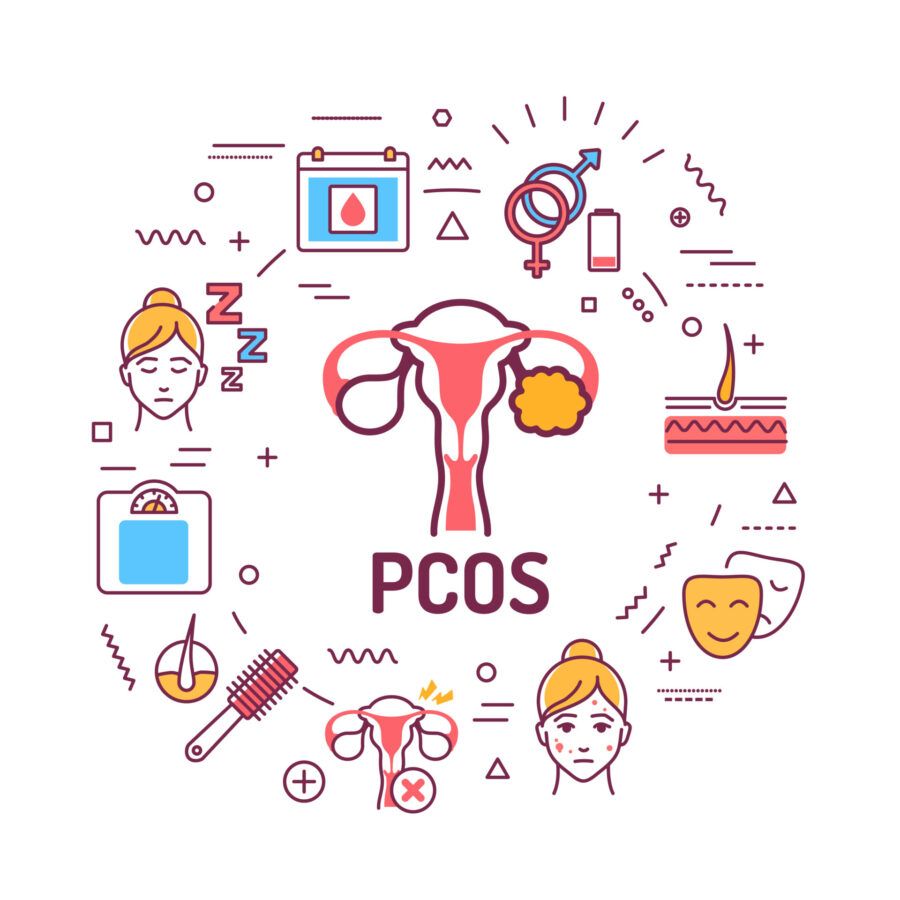
Ovulation Disruption: Irregular or absent ovulation is the most common cause of infertility. PCOS (Polycystic Ovary Syndrome), characterized by elevated androgens and insulin resistance, prevents regular egg release.
Luteal Phase Defects: Insufficient progesterone during the second half of the cycle prevents proper uterine lining development, making implantation difficult even when fertilization occurs.
Menstrual Irregularities: Unpredictable periods, heavy bleeding, or amenorrhea (absent periods) signal hormonal disruption that interferes with conception timing and reproductive health.
Early Menopause: Premature ovarian insufficiency before age 40 drastically reduces fertility and creates additional health risks due to early estrogen decline.
Symptoms of Hormonal Imbalance in Women
Recognizing the symptoms of hormonal imbalance in women enables earlier intervention and better outcomes:
Physical Symptoms
- Unexplained weight gain or difficulty losing weight
- Persistent fatigue despite adequate sleep
- Hot flashes and night sweats
- Hair thinning or excessive hair growth in unusual areas
- Breast tenderness or changes
- Digestive issues including bloating and constipation
- Decreased libido
Emotional and Cognitive Symptoms
- Depression and persistent sadness
- Anxiety and panic attacks
- Irritability and mood swings
- Difficulty concentrating
- Memory problems
- Reduced motivation
Reproductive Symptoms
- Irregular, heavy, or painful periods
- Absent menstruation
- Difficulty conceiving after 6-12 months of trying
- Recurrent miscarriages
- Vaginal dryness
- Painful intercourse
Also Read our New Blog: PCOS vs PCOD: Symptoms, Causes, and Best Treatments Explained
Causes of Hormonal Disruption
Understanding the endocrine system disruption and symptoms requires examining multiple contributing factors:
Lifestyle Factors
Chronic Stress: Sustained stress elevates cortisol, which interferes with reproductive hormones and thyroid function.
Poor Sleep Quality: Inadequate sleep disrupts growth hormone, cortisol rhythms, and leptin-ghrelin balance (appetite hormones).
Nutritional Deficiencies: Insufficient protein, healthy fats, vitamins, and minerals impair hormone production and regulation.
Sedentary Lifestyle: Lack of exercise contributes to insulin resistance and reduces hormone-regulating muscle mass.
Medical Conditions
- Polycystic Ovary Syndrome (PCOS)
- Thyroid disorders (hypothyroidism or hyperthyroidism)
- Diabetes and insulin resistance
- Adrenal insufficiency or Cushing’s syndrome
- Premature ovarian failure
- Endometriosis
Environmental and External Factors
Endocrine Disruptors: Chemicals in plastics, pesticides, and personal care products mimic or block natural hormones.
Medications: Birth control pills, steroids, and certain medications alter hormone levels.
Aging: Natural hormonal decline occurs with age, particularly during perimenopause and menopause.
Diagnosis and Treatment at Revive Rehab Multi Speciality Hospital
Comprehensive Diagnostic Approach
At Revive Multi Speciality Hospital, one of the top 10 hospitals in Hyderabad and among the most affordable hospitals in Attapur and Mehdipatnam, we use advanced diagnostic methods:
Blood Tests: Measure specific hormone levels including TSH, T3, T4, estrogen, progesterone, testosterone, cortisol, and insulin.
Symptom Assessment: Detailed evaluation of physical, emotional, and reproductive symptoms.
Ultrasound Imaging: Identifies structural abnormalities like ovarian cysts or thyroid nodules.
Medical History Review: Understanding family history, lifestyle factors, and previous health conditions.
Treatment Options
Our hormonal imbalance treatment in Hyderabad includes personalized approaches:
Lifestyle Modifications:
- Stress management techniques including meditation and yoga
- Regular exercise programs tailored to your condition
- Nutritional counseling focusing on hormone-supporting foods
- Sleep hygiene improvements
Medical Treatments:
- Bioidentical hormone replacement therapy when appropriate
- Thyroid medication for thyroid disorders
- Metformin for insulin resistance and PCOS
- Fertility medications to support ovulation
Integrated Care:
- Nutritionist consultations
- Mental health support
- Fertility counseling and treatment
- Regular monitoring and adjustment
When to Consult a Specialist
You should consult the best gynaecologist for hormonal issues near me if you experience:
- Persistent unexplained weight changes
- Menstrual irregularities lasting more than 3 months
- Difficulty conceiving after 6-12 months of trying (or 6 months if over 35)
- Severe mood swings affecting daily life
- Chronic fatigue despite lifestyle changes
- Unusual hair growth or loss
- Persistent skin problems
Revive Multi Speciality Hospital in Mehdipatnam, Hyderabad, offers expert care with the best gynecologist near me specializing in hormonal health. Our convenient location serves patients throughout Attapur and surrounding areas.
Conclusion
Understanding how hormonal imbalance affects weight, skin, mood, and fertility empowers you to take proactive steps toward better health. Whether you’re struggling with unexplained symptoms or seeking specialized care for fertility concerns, early intervention makes a significant difference in outcomes and quality of life.
Revive Multi Speciality Hospital in Attapur, Hyderabad, provides comprehensive hormonal imbalance treatment combining advanced diagnostics, personalized treatment plans, and compassionate care. Our experienced specialists understand the complex interplay between hormones and overall health, offering integrated solutions that address root causes rather than just symptoms.
Don’t let hormonal imbalance control your life. Take the first step toward hormonal harmony and renewed vitality.
📞 Book Your Consultation Today
Revive Multi Speciality Hospital
Hospitals in Mehdipatnam, Hyderabad
Serving Attapur and surrounding areas
Consult best gynaecologist near me for comprehensive hormonal health evaluation and personalized treatment plans. Our team specializes in hormonal disorders, fertility treatment, and women’s wellness.
Request a consultation with our hormone specialists and discover how targeted treatment can transform your health, restore balance, and help you achieve your wellness and fertility goals.